

The Unblocked Passion for Horse Racing
Horse racing is more than just a sport; it is an adrenaline-fueled spectacle that captivates millions around the globe. Unlike
many sports that face restrictions and limitations, horse racing stands out as a vibrant event where the passion of fans,
the beauty of the horses, and the excitement of the races come together in a way that knows no bounds. Here, we delve into
the captivating world of horse racing and explore why it remains unconstrained by challenges that other sports face. For
those interested in the equestrian world can find more insights at horse racing not blocked by GamStop merseysidepolicemounted.uk.
The History of Horse Racing
The origins of horse racing date back to antiquity, with the first known organized races occurring in ancient Greece, where
horses competed in the Olympic Games. Over centuries, horse racing evolved into a formal sport, with rules and structures
established to ensure fair play. The sport flourished during the Renaissance period and expanded significantly in the 17th and
18th centuries, particularly in England, where the modern horse racing framework took shape. The establishment of the Jockey
Club in 1750 marked a pivotal moment in solidifying governance within the sport, promoting integrity and fairness.
Types of Horse Racing
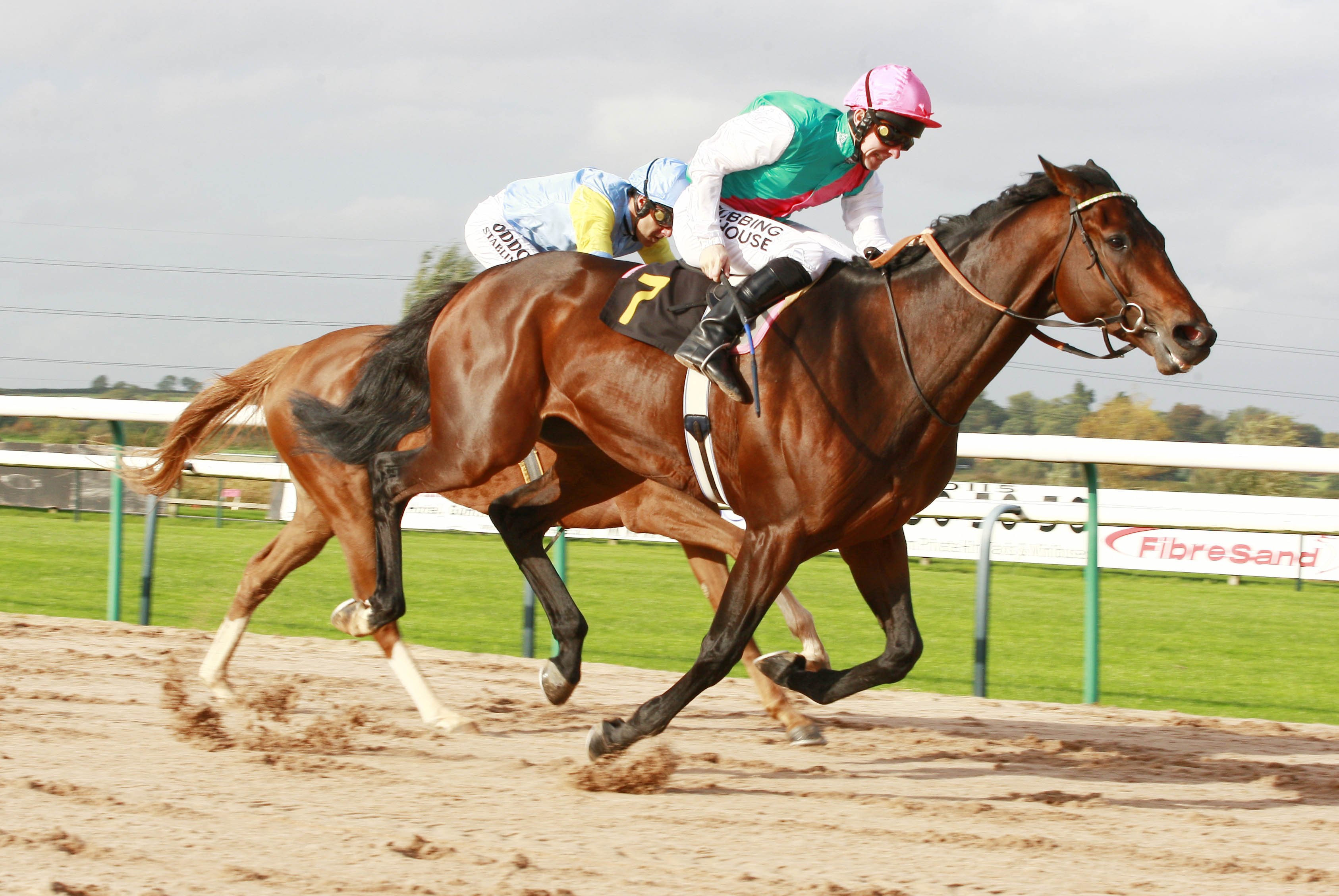
Horse racing encompasses a variety of formats, each with its unique characteristics and appeal. The two primary types
are flat racing and jump racing. In flat racing, horses compete over a distance on a level surface, typically covering
distances ranging from 5 furlongs to 2 miles. This type of racing emphasizes speed and strategy, as jockeys guide their
horses to achieve the best possible position.
Jump racing, or steeplechasing, introduces obstacles such as fences and ditches that horses must navigate throughout the
race. This form of racing not only tests the speed of the horses but also their agility, stamina, and jumping prowess.
Both types attract large crowds and offer substantial prize money, further enhancing the competitiveness of the sport.
The Unbounded Global Appeal of Horse Racing
Horse racing is a truly global phenomenon. Countries across every continent embrace the sport, with iconic races such as
the Kentucky Derby in the United States, the Grand National in the UK, and the Melbourne Cup in Australia drawing massive
audiences both on-site and via broadcasts. The universality of horse racing lies in its ability to connect people from
different cultures and backgrounds, united in their passion for the thrilling competition. These events often serve
as important cultural touchstones, where traditions and festivities come together, making them far more than mere races.

Influencer and Fan Engagement
The advent of social media and digital platforms has transformed the way fans engage with horse racing. Enthusiasts now
have unprecedented access to live races, behind-the-scenes content, and insights from industry experts, enhancing their
experience and connection to the sport. Platforms like Twitter, Instagram, and dedicated racing apps allow fans to share
their thoughts, predictions, and experiences, creating a community that thrives on interaction and engagement. This
unblocked communication has invigorated the sport, opening avenues for newcomers and seasoned fans alike to participate
and share their love for racing.
The Economic Impact of Horse Racing
Horse racing plays a significant role in the economy, contributing billions to local and national markets through
job creation, tourism, and gambling revenue. Racetracks, breeding farms, and training centers employ thousands of
individuals, from trainers and jockeys to veterinary personnel and maintenance staff. Additionally, major races
attract large crowds of spectators, generating income for local businesses, hotels, and restaurants. The gambling
aspect of horse racing also sustains a staggering industry that benefits from punters placing bets on live races,
both in person and online.
The Future of Horse Racing
As we look to the future, horse racing continues to adapt and evolve with changing times. Innovations in technology,
including the use of data analytics and virtual reality, are changing how the sport is experienced. Enhanced
broadcasting techniques provide viewers with real-time analytics, horse health data, and improved camera angles,
elevating the spectator experience. Meanwhile, efforts to ensure the welfare of the horses mean stricter regulations
and industry practices, ensuring that equine athletes are treated with respect and care. Greater awareness of these
issues is helping to shape a more ethically conscious community around the sport, striving for a balanced approach
that honors tradition while prioritizing animal welfare.
The Community Aspect of Horse Racing
The community surrounding horse racing is one of its most significant and heartwarming aspects. Fans often come together
to support their favorite horses, trainers, and jockeys, leading to lasting friendships and connections. Races often serve
as social gatherings, bringing people together to celebrate their shared passion. Many tracks, like those in the UK
and the US, organize community events and outreach programs designed to introduce new fans to the sport, ensuring that it
continues to thrive and evolve for future generations.
Conclusion
Horse racing remains an unparalleled phenomenon, characterized by its passion, excitement, and unblocked enthusiasm.
From its rich history and diverse race types to its global appeal and economic impact, the sport continues to captivate
audiences everywhere. As technology advances and communities unite in the spirit of racing, the future of this remarkable
sport looks promising. Whether you are a seasoned fan or a newcomer, there is always something thrilling waiting for you
at the racetrack. The story of horse racing is far from its final chapter, and its legacy will undoubtedly gallop forward
into the future.
